Thursday, 15 November 2007

Montane Extreme Smock


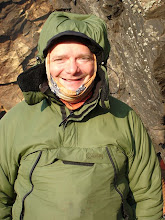
As promised to blog readers I now have the excellent Montane Extreme Smock in stock and am willing to offer to you at a discount.


The smocks are easily higher spec and superior to the buffalo range coming with loads of features (as per review below) including a hood (which you pay extra for with buffalo!!


Discount is for GREEN smocks only - sizes from M to XXL.


RRP £80 - BLOG PRICE (until sold out) £60 plus standard postage - thats a discount of 25%, but numbers are limited as I only have two of each size so order now or risk missing out!!


Sunday, 11 November 2007

Lest we forget

In Flanders' fields the poppies blow
Between the crosses, row on row,
That mark our place: and in the sky
The larks, still bravely singing, fly
Scarce heard amid the guns below.

We are the dead. Short days ago
We lived, felt dawn, saw sunset glow,
Loved and were loved, and now we lie
In Flanders' fields.

Take up our quarrel with the foe;
To you from failing hands we throw
The torch; be yours to hold it high,
If ye break faith with us who die
We shall not sleep,
though poppies growIn Flanders' Fields.
by John McCrea

or

"Please wear a poppy," the lady said,
And held one forth, but I shook my head,
Then I stopped and watched as she offered them there,
And her face was old and lined with care;

But beneath the scars the years had made
There remained a smile that refused to fade.
A boy came whistling down the street,
Bouncing along on care-free feet.

His smile was full of joy and fun,
"Lady," said he, "may I have one?"
When she'd pinned it on, he turned to say;
"Why do we wear a poppy today?

"The lady smiled in her wistful way
And answered; "This is Remembrance Day.
And the poppy there is a symbol for
The gallant men who died in war.

And because they did, you and I are free -
That's why we wear a poppy, you see.
I had a boy about your size,
With golden hair and big blue eyes.

He loved to play and jump and shout,
Free as a bird, he would race about.
As the years went by, he learned and grew,
And became a man - as you will, too.

He was fine and strong, with a boyish smile,
But he'd seemed with us such a little while
When war broke out and he went away.
I still remember his face that day.

When he smiled at me and said, 'Goodbye,
I'll be back soon, Mum, please don't cry.
'But the war went on and he had to stay,
And all I could do was wait and pray.

His letters told of the awful fight
(I can see it still in my dreams at night),
With the tanks and guns and cruel barbed wire,
And the mines and bullets, the bombs and fire.

Till at last, at last, the war was won -
And that's why we wear a poppy, son.
"The small boy turned as if to go,
Then said: "Thanks, lady, I'm glad to know.

I slunk away in a sort of shame,
And if you were me, you'd have done the same:
For our thanks, in giving, if oft delayed,
Though our freedom was bought - and thousands paid!

And so, when we see a poppy worn,
Let us reflect on the burden borne
By those who gave their very all
When asked to answer their country's call
That we at home in peace might live.
Then wear a poppy! Remember - and Give!
by Don Crawford

Friday, 9 November 2007

KIT list and suppliers

Several people have recently asked me for kit recommendations - apart from the gear we stock which is all tested by us - the below list might be found to be helpful!!

Comprehensive Kit List
(Including suppliers list)

The below is a list of the typical items carried by the bearclaw team during our courses and various adventures.

It builds upon the generic course kit list and is designed to give you a more detailed list including the websites of the various suppliers we would recommend.

Please mention Bearclaw Bushcraft when contacting any of the suppliers listed below.

Clothing –

Under wear
Underpants – cotton summer/winter

T/shirt – cotton is fine for summer. Winter opt for Montane Terra, Icebreaker or layering via the Ullsfrotte range to avoid chilling.

http://www.snowandrock.co.uk/

http://www.bearclawbushcraft.co.uk/

Shirt
Shirt – cotton for the summer

Micro fleece for wet/cold or a Army Norgee is ok for dry cold climate
http://www.craghoppers.co.uk/


Thermal layer
Montane Extreme Smock - this is my year round top perfect for all conditions as a solo layer or as layering.
Snugpak make two thermal mid-layer jackets – the elite pile (cold/wet) or the Sleeka elite (dry/wet) – requires a natural fibre outer layer if working around campfires

http://www.bearclawbushcraft.co.uk/

Trousers
Greenlander, Forester or Barents trousers by Fjellraven as all top quality robust trousers – the professionals choice

http://www.bearclawbushcraft.co.uk/

Windproof/outer layer
British Antarctic survey smock, tough Ventile jacket, well designed with plenty of pockets. Windproof, fire safe and shower proof - recommended


http://www.bearclawbushcraft.co.uk/

Socks
General wear wool socks are best as these are warm even when wet. Ullsfrotte are good – British army socks are also a favourite

http://www.nordicoutdoor.co.uk/

Gloves
Leather work gloves offer some elemental protection and are useful around the fire. Mekralon or thermal liners enhance these is cold weather. In extreme cold woollen mittens inside leather chopper mittens are robust and warm.

http://www.nordicbushcraft.com/

or

http://www.nordicbushcraft.se/

Boots
General purpose good all rounds are Rogue boots. For wet climates rogues can be worn with Sealskinz socks but Lundhags are a great choice also.

http://www.unbeatentrack.co.uk/

http://www.penrithsurvival.co.uk/

Head gear
For sunny climate Tiley hats or boonie hats in cotton with brims work well. For colder conditions woollen watch caps like the Ullsfrotte Luva are best. For woodlands and general wear the Fjallraven range of hats or caps is recommended.

http://www.thegorgoeoutdoors.co.uk/

http://www.bearclawbushcraft.co.uk/


Waterproof
By far the most versatile waterproof item a bushcrafter can use is the poncho – adapting from waterproof to shelter to a million things in between – highly recommended are the genuine US army ponchos with the Fjallraven coming in a close second

http://www.strikeforcesupplies.co.uk/

Call Jasper and ask for a genuine US poncho.


Possibles


Belt
A strong wide belt which can be used as a tool suspension system, lash, and strap for carrying firewood ect is ideal – this is not used to hold up trousers!!

http://www.attacc.com/ (Brady belt)

http://www.bearclawbushcraft.co.uk/


Cutting Tool
For the novice we recommend a medium (100mm) bladed knife like the Frosts Mora or Clipper.

For the more experienced or those travelling further a field a large camp knife like the Wilderness knife is a wiser choice as this knife is designed to do fine carving as well as chopping and splitting

A small folding knife such as those made by Opinel are great utility tools and ideal for kitchen tasks


http://www.nordicoutdoor.co.uk/

http://www.bearclawbushcraft.co.uk/

http://www.customknivesandsticks.co.uk/index.htm

Possibles Pouch
A Possibles belt pouch contains all those essential items we need to survive – call it the backwoodsman’s survival kit its worn on the belt with our cutting tool – thus in theory if we strip down to a underwear we should still be able to wear our belt in case of an emergency.


http://www.bearclawbushcraft.co.uk/


Spoon
Wooden – hand made by you!

Sharpening
Stone and mini steel – are best for the field, used to top up the edge on your cutting tools. The Fallkniven DC range works well but can be very coarse. Mini-steels are ideal for adding a micro secondary bevel especially for game preparation.

http://www.madbearoutdoors.co.uk/

Compass
A compass with a whistle attached and the knowledge of how to use both is essential.

Matches
Non-safety matches carried in a old camera film case are a versatile emergency back up to your fire lighting kit

Swan Vesta – were available
Flint bar
Carry your ferro rod (Jukka stick being the original or a fireball) in a rubberised tinder pouch (tobacco skin) – this means your fire lighting kit is to hand and that damp tinder can breath or be dried by body heat if carried in the pocket.

http://www.nordicbushcraft.se/

Insect repellent
Nordic summer is a favourite – life systems pump DEET sprays are strong and effective

http://www.raymears.com/

http://www.nomadtravel.co.uk/

First Aid kit
A small cuts kit should be carried whenever you carry your knife – a military First field dressing (FFD) is a good back up – make the kit yourself to meet your ability and needs.

Para cord
Genuine 550 is the best but hemp or natural cordage is ideal as it will degrade if left in the woods.

Torch
A Maglite or Petzl Tikka Head torch are a good well tried and tested choice.

http://www.maglite-torches.co.uk/


Field and Camping gear


Water bottle
Nalgene bottles are tough and well thought out – wide mouthed allowing better re-hydration as well as being easier to refill from tap or stream.

Sleeping bag
One season – Snugpak Jungle bag (synthetic)
2/3 Season Fjellraven Distance 5 (down)
3/4 Season Snugpak Elite 3 (synthetic)

http://www.naturestrails.co.uk/

Sleeping mat
Therma-rest is without a doubt our favourite but for the base camp nothing bests the comfort of a reindeer skin.

Bivi bag
Light weight Snugpak bivi bag is a good choice but if size matter the Alpkit bivi bags has been found to carry favour with the team here. Bombproof and long lasting the genuine British army bivi bag is a perennial favourite but ensure is genuine and not a cheap copy.


http://www.alpkit.com/


Basha
The Kathmandu tarp is light yet robust – our favourite without a doubt

http://home.freeuk.net/kathmandu/

Cookware
Swedish army mess kit
http://www.nordicoutdoor.se/


Rucksack

Fjellraven Vintage 20lt is an excellent top spec day sack. (the new 30lt will be even better!!)

Karrimor Sabre 45 – weekend pack

Karrimor Sabre 75 – Top spec well designed and highly respected full sized pack


http://www.bearclawbushcraft.co.uk/

http://www.naturestrails.co.uk/

Spare clothing
Spare clothing should include a change of clothing which can be worn if your normal layers get soaked – it can also include task specific clothing such as waterproof socks or

http://www.craghoppers.co.uk/

http://www.johnbull.com/


Luxuries
Cameras – books – mobile phones.

Tuesday, 6 November 2007

Its small, warm and light - but dont like the damp!!


Fjellraven Distance P5. – Few things in Bushcraft are more valuable than a good nights sleep and thanks to the Fjellraven Distance P5 down sleeping bag this is easily obtainable.
This is a quality bag from a top manufacturer which I personally have used all year round in both UK and Sweden and never found it wanting - sadly minus 32 in Finland would have been to much for it though.
Its extreme rated down to – 4 (comfort +8) but I have to say as with all swedish stuff their guide sizes or temperatures always seem to err on the side of caution as everything is bigger or better than they say - unlike our British makers whose temperature rangers and sizes seem to be works of fiction!! So I personally would say the comfort range is down to zero and the extreme easily past - 4 especially is you sleep dressed and/or use a good sleeping mat bivi bag ect.
Anyway its ideal for spring - summer and early autumn to average bushcraft season and as it packs down to the size of a grape fruit and weighs only around 650g it's a great piece of kit allowing you to carry an extra top if needed, which is far more versatile than having the weight in a bulkier sleeping bag!–
However - a word of warning - being down a bivi bag is a must in inclement weather as it - in theory - doesnt like it - but again I have slept in this bag all year in some pretty damp places like our scottish island and never yet found it to suffer.

Soon to be available from the trading post for just £87.99 - complete with storage bag for airing and stuff sack.

Friday, 19 October 2007


I recently ordered a Montane extreme smock after the death of my old trust Buffalo and I was so mightly impressed by the new smock I not only wrote a review of it on BES (http://bushcraft-educational-society.co.uk/forum/index.php?topic=1197.0) but I also have decided to start stocking them!!


The rrp is £80 but watch the website for a introductory offer ...........your chance to pick up one of these excellent smocks a little cheaper than usual!! ")

Details
Active cut with drop tail
Large pouch pocket with accessory attachment ring
DWR Beardguard lined collar
Part elasticated self fabric cuffs with hook and loop adjustment
Reinforced elbows
Glove attachment loops on forearms
Generous neck zip with hook and loop storm baffle
MONTANE® Cross-Vent system
Two-way zipped side vents with storm baffle
Hook and loop adjustable hem
Removable crotch strap
Removable, fully specified, single hand adjustable, pile-lined hood with wired peak
Colours: Black (With self-coloured logo), Olive (With self-coloured logo), Red (Main Image)
RRP £80.00
Fabric
Outer: PERTEX® 6- 69g/m² lightweight Nylon 6.6 plain weave- Breathable to 98%- Dense weave gives a wind resistance of 1ft³/min- Water repellent with a spray rating of grade 4Reinforcements: POLAR-DRI® mini-rip- Coated high tenacity textured Nylon rip-stop- 85% breathable- Water repellent- Suited to applications where durability and breathability are keyLining - DRYACTIV® 3000 Pile- Polyester fibre pile- Excellent inherent wicking- High warmth to weight ratio
Weight
875g / 31oz: Medium

Tuesday, 16 October 2007

Vildmark in the Sunday Mirror

For those of you thinking of joining us on the excellent Vildmark and.or WEISS courses in 2008 you might find the attached article from the Sunday Mirror of interest.

In particular the fact that soon we'll be able to fly from Stanstead to Karlstad - with collection from there - making traveling to and from the courses much much easier!!

Enjoy

http://www.sundaymirror.co.uk/news/homesandholidays/holidays/2007/08/26/life-is-swede-98487-19682361/

Friday, 5 October 2007

Cutting tool Maintenance

Knife maintenance and sharpening.

You are only as sharp as your knife - or a blunt knife is a screw driver!

Below is a little refresher on knife maint - as with all things shrafting theres more than one way to skin a cat but the below are skills which work for me and are most common among experienced outdoorsfolk.

Sharpening.
The best set up for sharpening a flat bevel knife involves 2-3 grades of honing stone.-

Course – 800 grit-
Medium – 1000 grit-
Very fine 6000 grit

A very course 250 grit may sometimes be used for restoration work.

At home the best set up for a novice is.- 2 sided India Oil stone made from Aluminium Oxide.

The coarseness is determined by the binding Agent but generally these stones consist of a course and medium side. I often use these to take off secondary bevels and to repair 'dinks' students make in there tools.Arkansas stones are mined from sedimentary rock in Arkansas (hence the name) and are usually fine and very fine. Arkansas stones are the best naturally occurring stones in the world.

Other useful items –- Steel, as used by butchers. These are used in the field to produce a micro scopic secondary bevel which gives our edge a more robust finished profile. Be aware a steel does really sharpen your blade it just re-aligns the teeth!

Strop – leather strop like you see in the barbers shop (or an old leather belt) are used to finish the edge before use and as such remove the microscopic wire created by the sharpening process.

Other products - Japanese Water stones.- Excellent for producing a superior edge but expensive lacking longevity- Made from rare clays impregnated with crushed seashells which are ground together and recompressed.- To use soak in water until the fizzing stops- Soft will not survive rough handles.Weston Water stones.- Basically cheaper copies of the above- More robust and hard wearing- Don’t hold so much water.*note water stones will shatter at below 0 degrees.

Diamond Whetstone- Rip away a lot of steel very quickly- Can Ruin your knife fast!

Ceramic stones- Superheated clays to recreate a volcanic type rock.- Too hard – take a long time to produce an edge but are good as steels (improvised)-

ExpensiveOil stones- Robust- Used will oil- Very good – a favourite old trooper!

Sharpening Techniques

Field sharpening.- Cut down water stones or small pocket Arkansas stone- Sit cross legged and place on shoe to use.- No ideal system but generally I'd recommend taking the stone to the blade always ensuring fingers are kept clear of the cutting edge!Base camp sharpening- Here we use our oil or water stone as follows,
Place stone on a flat surface
Lubricate stone (if a water stone soak in water until it stops fizzing the keep wet - never cross lubricate i.e oil on water or vica versa - and for field use always use water as some time or another the only lub' your have handy is spit!) This is to enable the microspoic metal filings to be carried away from the pours on the stone.
Lay knife flat onto stonestarting at near the handle as possible.
Tilt up the blade until the bevel is flat on the stone.
using gentle downward pressure slide the blade (as if slicing of a thin layer) down the stone - starting at the handle but ending the motion at the tip.
If nec' round the tip slightly to ensure full contact with the stone.
Do this intially 6 times one one then reverse and do the same towards yourself 6 times.
Keep repeating this process until were happy the edge is getting sharper.
Now start to reduce the strokes each side - come down from 6 to 4 to 3 to 2 and then 1
once on 1 stroke each side to this at least 10 times to weaken the wire (the wire is a very fine strip of metal which builds up as we wear away each side of the blade during sharpening if its not removed it will snap of in use and dull the edge.)
Once we're happy the edge is sharp we move to the strop - the strop will remove the wire for use.
Strop in a reverse motion to sharpening - minimum of 50 strokes each way.
Job done test the blade as described.
Stropping – as pointed out above stropping removes the fine wire edge that is built up by the sharpening process. The wire edge makes your knife ‘feel’ sharp but if it is not removed by stropping it will break off in use taking the knife edge with it.
Ideally strop your knife 50 times on each side.

Testing your edge.
Paper test, shave hairs off arm or use thumbnail.
The thumnail test is best - to do this drag your cutting edge across the HARD part of your thumb nail - if your knife is sharp you will feel it biting into the nail - any dull spots will slide without resistance.
Now we have a sharp cutting tool we will look at how to use it SAFELY!!

Maintenance

Care of your cutting tool can be as simple or as complicated as you like - it also reflects usage. If you use your knife often it requires less care as it will be constantly maintained in use - resharpened cleaned ect ect - so for our now let us consider the knife as if it were going into storage or likely not to be used for some months.

Firstly sharpen the knife, even those its not going to be used sharpening it will clean the cutting edge.

Next if the blade has a good patina on it already down scrub it off - the staining and discolouration a carbon blade picks up in use protects the blade from corrosition so leave it on - like wise I often add patina by coating the blade in organic Balsamic vinger and leaving it a few hours - the vinger darkens the blade and this blackening also helps protect the blade!!

So whether the blades work stained or not (bear in mind that doesnt mean covered in dirty. veg matter or anything else - if thats the case wash the blade to clean) we now are wise to oil it - riflte oil is best for this jub but I appreciate most people cant access gun oil so lightly use any oil available - again bear in mind if you use the knife for food prep you might not want to coat it in motot oil!!

Leave the oil to 'soak' in for a while then wipe off the access.

Depending on the scale material we can either give them a light coat of oil (wood ect) or just clean with a damp cloth (plastic ect)

Now heres a bone of contention - once the knifes clean give the sheath a once over - if its clean, in good repair and dry slide the knif ehime and store until next wanted.

Why is that contentious because some people think you shouldnt store your knife in the sheath as the leather might stretch or mositure might damage the blade - ya right - as long as the sheathes dry and the storage place is dry damp isnt going to be a problem - as for the stretching issue - same thing the leather is only gonna stretch from usage or is damp - I always store my knives in the sheath and have never had any problems.

Hope that helps - any questions please feel free to ask.